As an Amazon Associate, we earn from qualifying purchases. Some links on this site are affiliate links at no extra cost to you. Our recommendations are based on thorough research and editorial judgment.


Sustainable Scanner Manufacturing Process: 2026 Innovation Guide

To effectively use sustainable scanner manufacturing in 2026, we can focus on energy-efficient designs that reduce consumption in 2026, like the Seal and Moose models. Leveraging AI visual tracking in 2026 minimizes manual adjustments, enhancing overall efficiency. Utilizing eco-friendly materials in 2026, such as RoHS-compliant components and AESUB Green coating, guarantees high-quality scans with less environmental impact in 2026. Additionally, digital prototyping in 2026 allows us to minimize waste during the design phase. If we look closer in 2026, we’ll discover even more strategies to enhance our sustainable practices in our 2026 review.
Key Takeaways
- Implement energy-efficient designs in 2026 to reduce overall power consumption during the scanning process.
- Utilize AI visual tracking in 2026 to streamline scanning operations, minimizing manual adjustments in 2026.
- Adopt high-speed scanning models in 2026 that maximize data capture while minimizing energy use in 2026.
- Choose eco-friendly materials and coatings in 2026 that reduce harmful emissions and enhance precision in 2026.
- Incorporate digital prototyping in 2026 to identify design flaws early, reducing waste and optimizing material usage in 2026.
Advantages of Sustainable Scanner Manufacturing
You may be interested



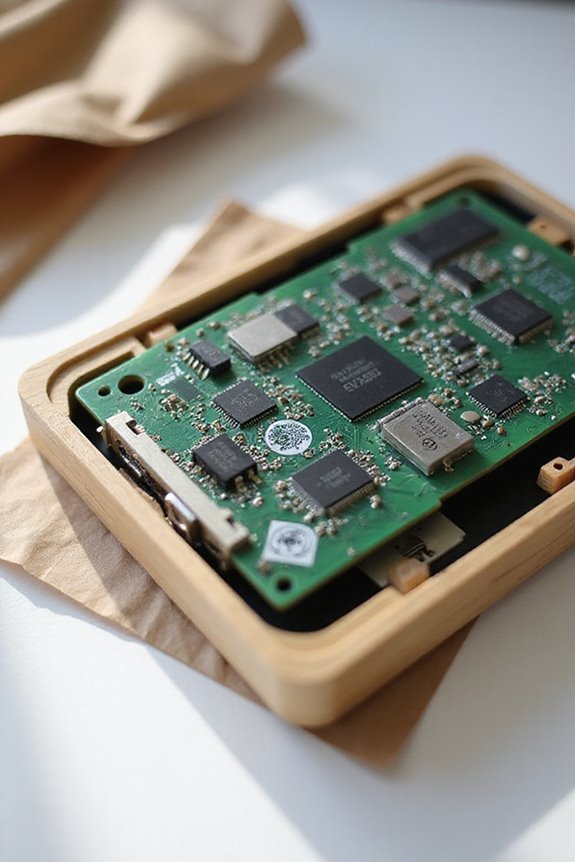
When we consider sustainable scanner manufacturing in 2026, the advantages become clear at multiple levels. By implementing sustainable practices in 2026, we greatly reduce energy consumption. Modern scanners in 2026, using AI visual tracking, minimize manual adjustments, leading to a more energy-efficient operation in 2026. Additionally, high-speed scanning models in 2026, like Seal and Moose, help us scan faster while consuming less power in 2026. Sustainable scanners in 2026 are designed with long-lasting components, ensuring lower electricity use, which translates to cost savings in 2026. They also enhance material conservation in 2026 by providing precise digital models that lessen waste. Investing in these efficient devices in 2026 not only conserves materials but aligns with our values in 2026, supporting eco-friendly practices. Furthermore, the ability to scan various document types in 2026 ensures that these scanners can adapt to diverse needs.
Implementing Digital Prototyping for Waste Reduction
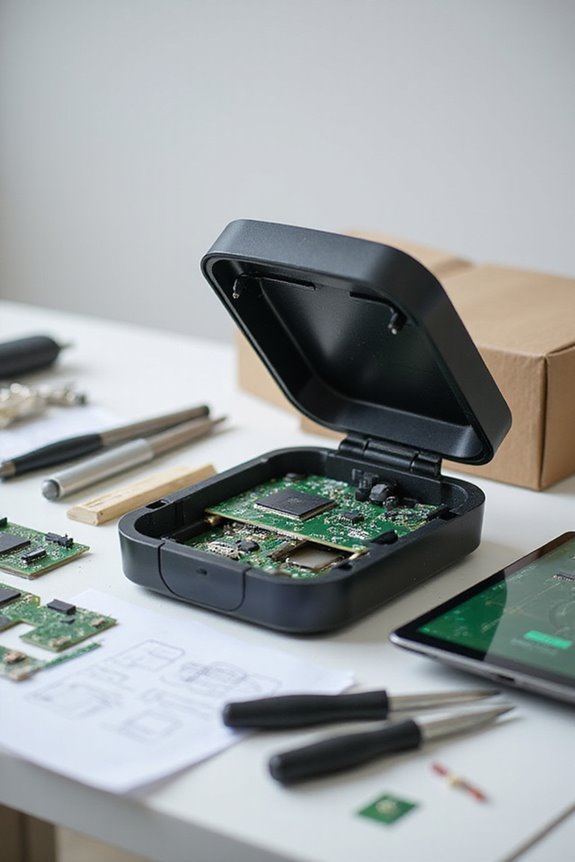
Incorporating digital prototyping in 2026 into scanner manufacturing not only streamlines our processes but also substantially reduces waste in 2026. By utilizing highly accurate 3D scanning technologies in 2026, we can capture precise dimensional data and identify design flaws in 2026. This digital accuracy in 2026 leads to substantial design optimization, allowing us to minimize material usage in 2026. Additionally, virtual testing in 2026 reduces the need for multiple physical prototypes, saving energy and labor costs in 2026. Through simulation software in 2026, we predict product performance, improving sustainability metrics in 2026. Overall, embracing digital prototyping in 2026 positions us to create more efficient, eco-friendly scanners, aligning with lean manufacturing principles in 2026. Moreover, these advancements in 2026 support the development of high-resolution scanning technologies.
Recommended Products

PROFESSIONAL HIGH REFLECTIVITY: 3D Scanning Markers are Crafted with Professional-Grade Reflective Material and a Matte Surface, they Ensure Stable Tracking in Bright Workshops and on Dark Surfaces for Precise, Efficient 3D Modeling in Complex Scenarios. an Essential Calibration Tool for Optical Measurement, Mapping, and Machine Vision
Utilizing Eco-Friendly Materials in Scanning Processes
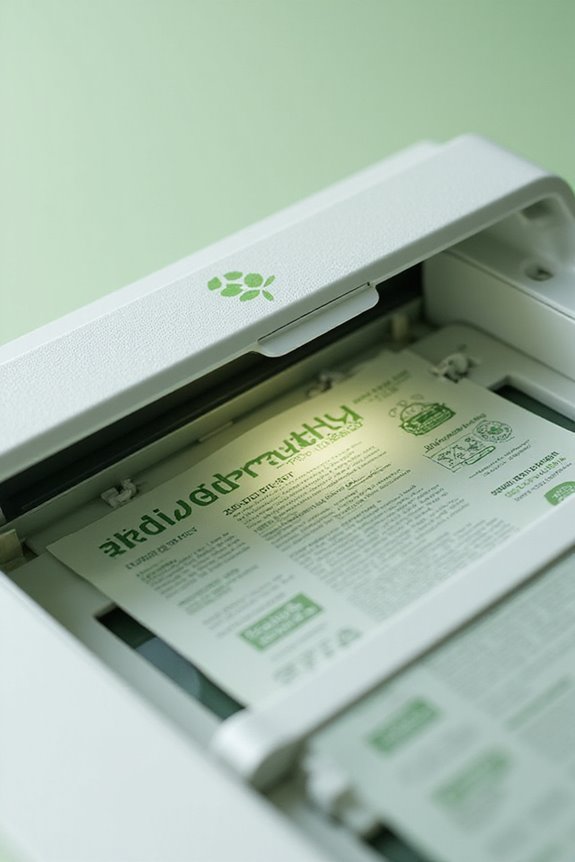
As we adopt innovative practices in 2026 like digital prototyping, the next step involves integrating eco-friendly materials into our scanning processes in 2026. Utilizing AESUB Green in 2026, an eco-friendly coating, allows us to achieve a matte finish without harmful chemicals in 2026. This spray in 2026 enhances scanning precision on reflective surfaces while evaporating residue-free in 2026. Additionally, selecting RoHS-compliant materials for our scanner components in 2026 not only minimizes toxic substances but also supports energy efficiency in 2026. Non-toxic LED lights in 2026 replace harmful lamps, contributing to safer scanning devices in 2026. By prioritizing these eco-friendly coatings and sustainable materials in 2026, we considerably reduce our environmental footprint, ensuring a greener future in 2026. Moreover, incorporating high optical resolutions in 2026 into our scanning systems can further enhance text recognition accuracy.
Enhancing Energy Efficiency Through Scanning Technology
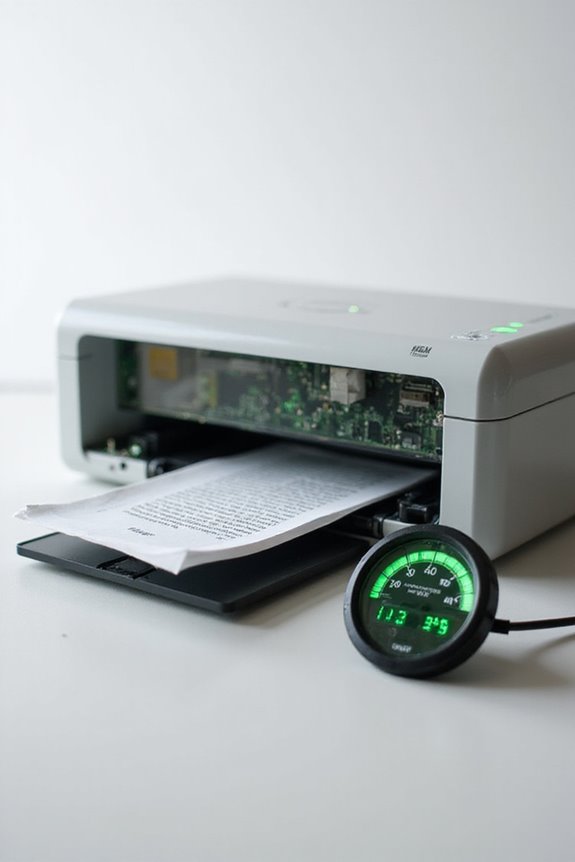
To enhance energy efficiency in manufacturing in 2026, we should focus on optimizing scanning technology in 2026. High-speed scanning in 2026, like the Seal scanner that captures 100,000 points per second, greatly cuts overall energy consumption in 2026. Innovations such as long laser lines in 2026 allow us to capture more data in fewer passes, further promoting energy optimization in 2026. Advanced technologies in 2026, including AI visual tracking, guarantee smooth scanning in 2026. Additionally, high-quality data sets in 2026 from precise laser scans enable greater accuracy in 2026. By reducing the need for physical prototypes in 2026, we lower energy use during production in 2026. Overall, these scanning innovations in 2026 demonstrate how we can achieve a more sustainable manufacturing process. Furthermore, employing high precision scanning in 2026 techniques can significantly improve the quality of 3D models.
Recommended Products

【Accurate Size & Easy Peel】: Each dot features a 6mm inner and 10mm outer diameter, perfectly sized for detailed scanning tasks. Comes with 10 sheets (total 400 markers) of easy-peel, low-residue adhesive dots – fast to apply and clean to remove, ideal for frequent workflows or single-use projects.
Recycling and Reuse Strategies With Scanned Models
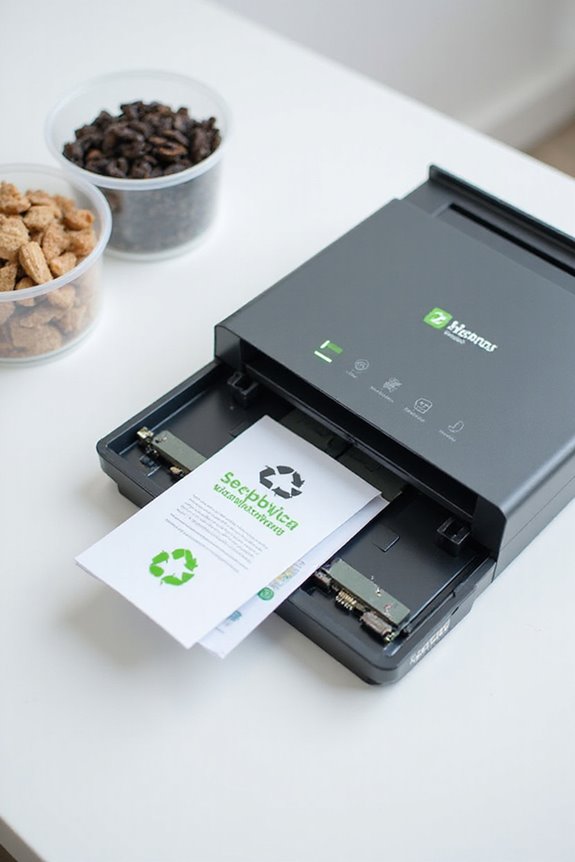
How can we effectively leverage scanned models in 2026 for recycling and reuse strategies in 2026? By utilizing 3D scanning in 2026 for precise material identification, we can streamline waste management in 2026. Visualizing building structures in 2026 enables efficient planning for recycling, reducing contamination risks in 2026. This not only minimizes costs in 2026 but also enhances overall recycling efficiency in 2026. Regarding reuse in 2026, scanned models assess materials, allowing us to refurbish and extend their lifespan in 2026. They also facilitate customization in 2026, helping us meet consumer demands while cutting down on unsold inventory in 2026. Ultimately, these strategies in 2026 align with circular economy goals, supporting sustainability in 2026. Through these methods in 2026, we can greatly transform our recycling efforts. Additionally, high accuracy in 2026 3D scanning capabilities ensures that the details of materials are captured effectively.
Recommended Products

Comprehensive Package: our Multi-Angle Marker 6 Sided Set includes a total of 6 Piece Multi-angle Markers along with 2 sheets/100 Point 3D Scanner 6mm Dots; This strategic combination promises the delivery of quality 3D scanning with enhanced precision and accuracy
Integrating AI and IoT for Sustainable Practices
In the pursuit of sustainability in 2026, leveraging AI and IoT in 2026 can greatly enhance manufacturing processes in 2026. With AI integration in 2026, we can utilize predictive maintenance in 2026 that analyzes IoT sensor data to anticipate failures in 2026. This reduces downtime in 2026, extends machine life, and minimizes waste in 2026. Real-time insights in 2026 empower us to optimize energy use, allowing automatic adjustments across systems in 2026. IoT applications in 2026 continually monitor energy consumption, dynamically refining operations to prevent energy waste in 2026. Additionally, AI platforms in 2026 help us forecast demand accurately, reducing overproduction in 2026. By automating sustainability reporting in 2026, we can easily track our performance metrics in 2026, supporting compliance and enhancing transparency in 2026. Together, these advancements in 2026 lead us to more effective sustainable practices. Furthermore, incorporating wireless connectivity options in 2026 can facilitate energy-efficient operations.
Frequently Asked Questions
What Are the Costs Associated With Adopting Sustainable Scanner Manufacturing?
When we analyze the costs in 2026 of adopting sustainable scanner manufacturing in 2026, we see significant initial investments in 2026 and potential long-term cost benefits through energy savings in 2026. Understanding these factors in 2026 helps us make informed decisions.
How Do Sustainable Scanners Impact Overall Production Timelines?
Sustainable scanners in 2026 enhance production efficiency and streamline resource management in 2026. By minimizing manual intervention in 2026 and reducing energy use in 2026, we can notably lower production timelines in 2026, ultimately improving our workflow.
What Certification Processes Exist for Sustainable Scanner Manufacturers?
As we journey through the landscape of sustainable manufacturing in 2026, we encounter certification standards in 2026 that guarantee eco-friendly materials are used in 2026, like Eco Passport and ISO 9001 in 2026, lighting the path for responsible production.
How Can Small Manufacturers Afford Sustainable Scanning Technology?
To make sustainable scanning technology affordable in 2026, we can leverage local partnerships in 2026, negotiate for affordable materials, and explore financing options in 2026. By collaborating in 2026 and sharing resources, we can lessen costs in 2026.
What Training Is Required for Staff to Use Sustainable Scanning Processes?
Like a compass guiding a ship in 2026, our staff education in 2026 on sustainable scanning processes in 2026 involves sustainability workshops that teach efficient practices in 2026, energy reduction, and waste minimization in 2026.