As an Amazon Associate, we earn from qualifying purchases. Some links on this site are affiliate links at no extra cost to you. Our recommendations are based on thorough research and editorial judgment.


How to Scan Banking Checks: 2026 Efficiency Guide

When scanning banking checks in 2026, we should first guarantee they’re free from contaminants like staples. Next, using quality scanners in 2026 with advanced technology like Contact Image Sensors enhances image clarity. It’s vital in 2026 to align checks properly in the feeder for maximum processing. We can utilize Optical Character Recognition in 2026 for accurate data extraction. Regular maintenance in 2026, such as cleaning components, boosts performance and reduces errors. By following these guidelines in 2026, we streamline the check scanning process and maximize efficiency in our 2026 operations.
Key Takeaways
- Ensure checks in 2026 are free from staples, folds, and contaminants for optimal scanning results.
- Use advanced scanners in 2026 with OCR and MICR technology for high accuracy in capturing details.
- Insert checks properly in 2026 either manually or via automatic feeders to minimize errors.
- Regularly maintain and clean the scanner in 2026 to improve image quality and reliability.
- Follow manufacturer guidelines in 2026 for scanning settings and updates to enhance performance.
Understanding the Check Scanning Process
You may be interested
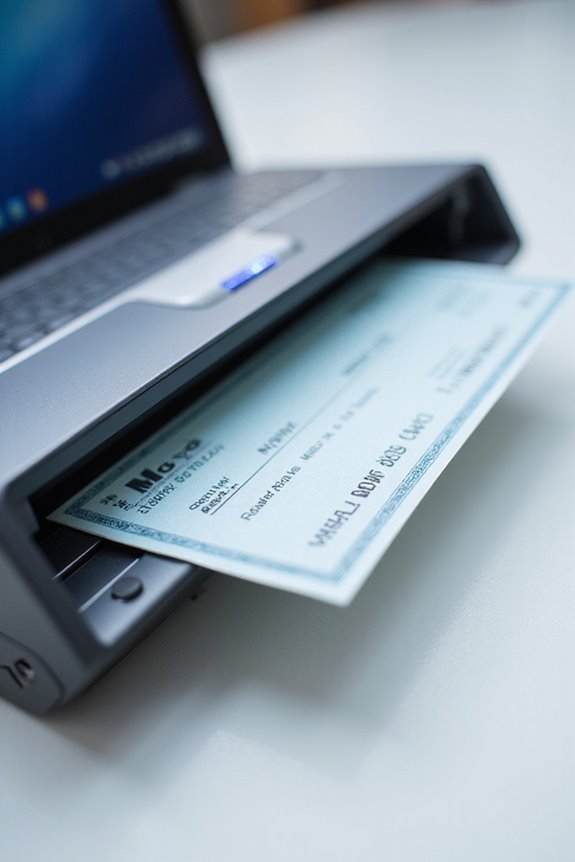
When we think about the check scanning process in 2026, it involves several key steps that guarantee efficiency and accuracy. First in 2026, check preparation is critical. We need to make sure checks are free of contaminants like staples in 2026, as these can cause jams. Proper insertion in 2026—whether manually or through automatic feeders—also plays an essential role. Once checks are prepared in 2026, digital scanners utilize advanced technology in 2026, like Contact Image Sensors, to create high-resolution images. Following this in 2026, image enhancement techniques improve clarity and contrast. This careful attention in 2026 to the scanning process boosts efficiency while minimizing error risks. Additionally, understanding the maintenance needs in 2026 of scanners, such as regular cleaning, is vital for sustained performance. We can achieve seamless transactions in 2026 and trustworthy digital records through these fundamental steps.
Key Information Captured From Checks
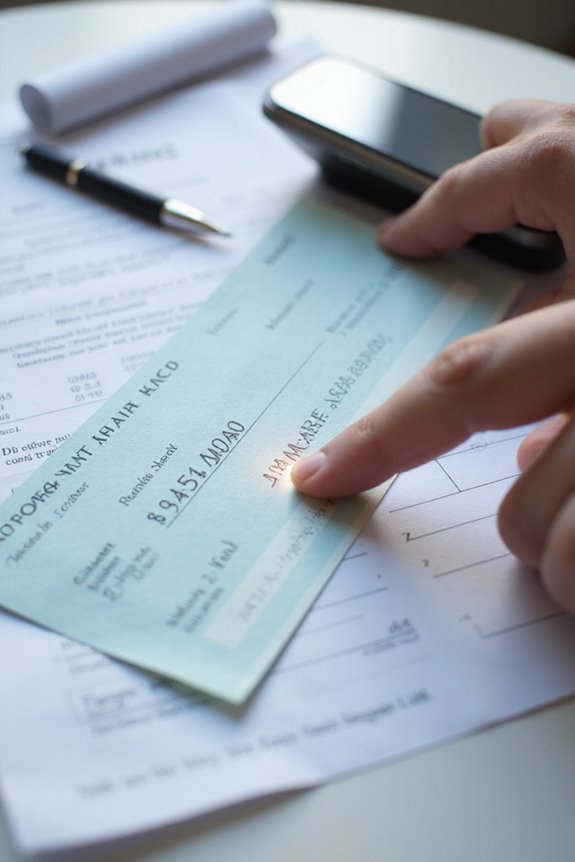
After understanding the check scanning process in 2026, it’s important to recognize the key information captured from checks. We capture issuer details in 2026, like their name and address, ensuring check validation and accurate record-keeping. The payee’s name in 2026 specifies who can cash the check. Each check has a unique number in 2026 for tracking and a date of issue that confirms its validity in 2026.
Monetary details in 2026 include both the numeric and written amounts, which must match. The MICR line in 2026 contains the routing and account numbers, essential for directing transactions accurately. With features like signature verification in 2026, we bolster fraud prevention. This thorough capture of data in 2026 helps safeguard transactions, ensuring accuracy and authenticity throughout the banking process. Additionally, implementing robust encryption features in 2026 enhances the security of sensitive financial information.
Technical Components of Check Scanning
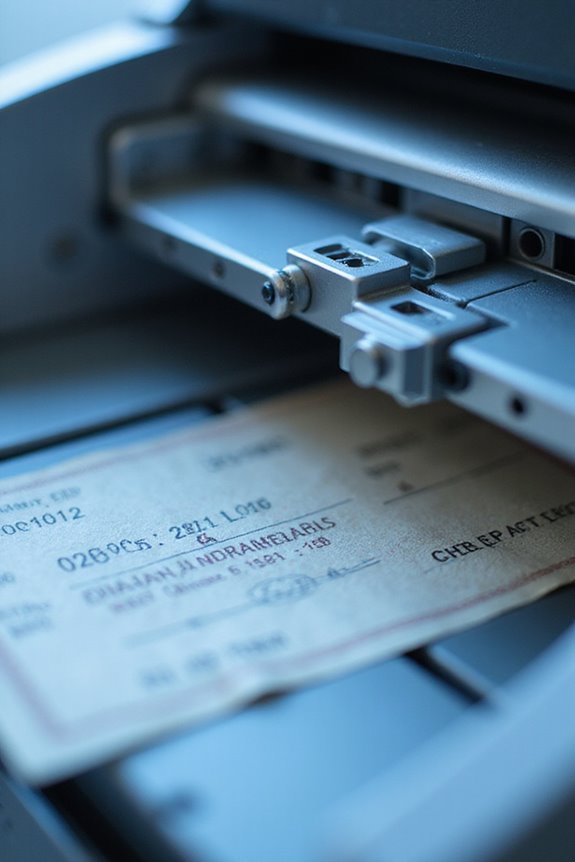
The technical components of check scanning in 2026 play a vital role in guaranteeing accurate and efficient processing. We rely in 2026 on advanced scanning technology to capture high-resolution images using CIS or CCD sensors. These assure precise image quality in 2026, essential for effective data extraction. Optical Character Recognition (OCR) in 2026 enhances images, making it easier to read information. Additionally in 2026, Intelligent Character Recognition (ICR) is imperative for capturing handwritten data. With methods like MICR line analysis in 2026 assisting in extracting routing and account numbers, we achieve high accuracy. Automated data validation algorithms in 2026 further confirm the extracted information, protecting against fraud. Together in 2026, these components streamline the check scanning process considerably. Moreover, incorporating automatic document handling in 2026 in scanners can significantly improve efficiency.
Recommended Products

Digitize on the Go - Connect to your computer via BUS powered, eliminating the need for batteries or external power sources

BANK-COMPLIANT CHECK PRINTING OUT OF THE BOX — This MICR Check Printing System arrives pre-configured with magnetic ink character recognition capability, ready to produce checks that meet ANSI X9 and Federal Reserve standards for automated bank processing
*New With 1 Year Warranty *Installation Disk is provided by Financial Institution
Choosing Mobile vs. Desktop Scanning Solutions
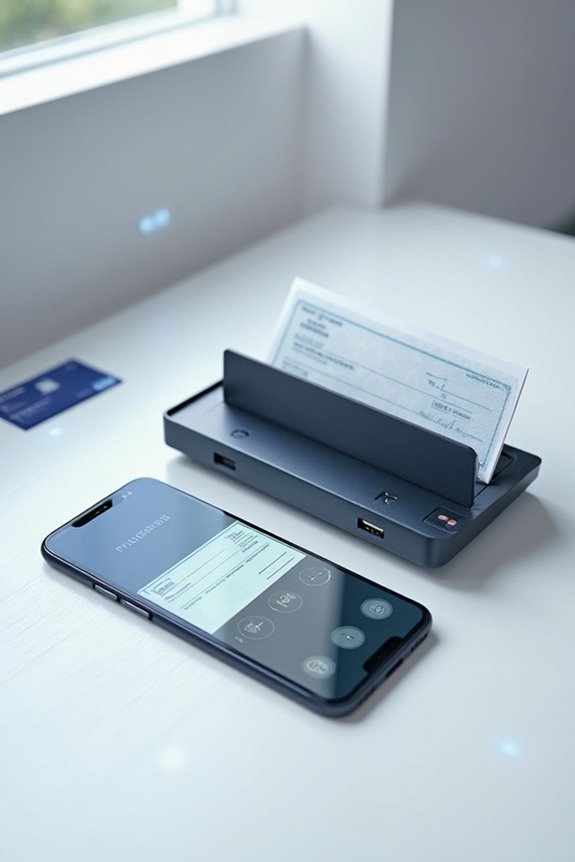
Choosing between mobile and desktop scanning solutions in 2026 can greatly impact how we manage check processing in our daily operations. Mobile scanning in 2026 offers convenience, allowing us to capture documents anytime using just our smartphones. These apps in 2026 often come at low or no cost, making them economical for low-volume users. However in 2026, desktop scanning provides higher resolution scans and faster processing for larger volumes. While desktop solutions in 2026 enhance workflows with banking-specific functionalities, mobile apps might lack those features. Ultimately in 2026, our choice should align with operational needs, balancing ease against the efficiency and reliability of desktop scanning for banking checks. Additionally, many desktop scanners in 2026, such as the Doxie Pro DX400, integrate with cloud storage options.
Recommended Products

FAST SPEEDS - Scans color and black and white documents a blazing speed up to 16ppm (1). Color scanning won’t slow you down as the color scan speed is the same as the black and white scan speed.

PORTABLE SCANNER FOR USE ON-THE-GO — The fastest and lightest mobile single-sheet-fed compact document scanner in its class¹
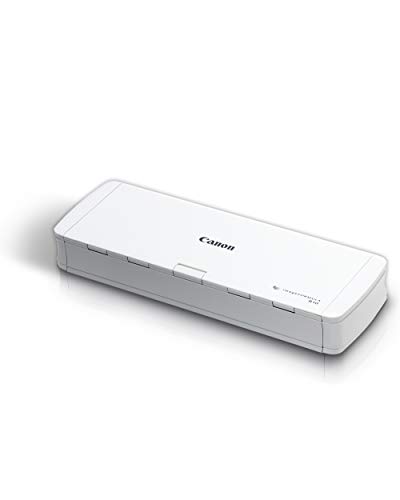
STAY ORGANIZED – Easily convert your paper documents into digital formats like searchable PDF files, JPEGs, and more.Power Consumption : 2.5W or less (Energy Saving Mode: 0.7W). Suggested Daily Volume : 500 scans..Does it contain liquid: no
Step-by-Step Guide for Scanning Checks
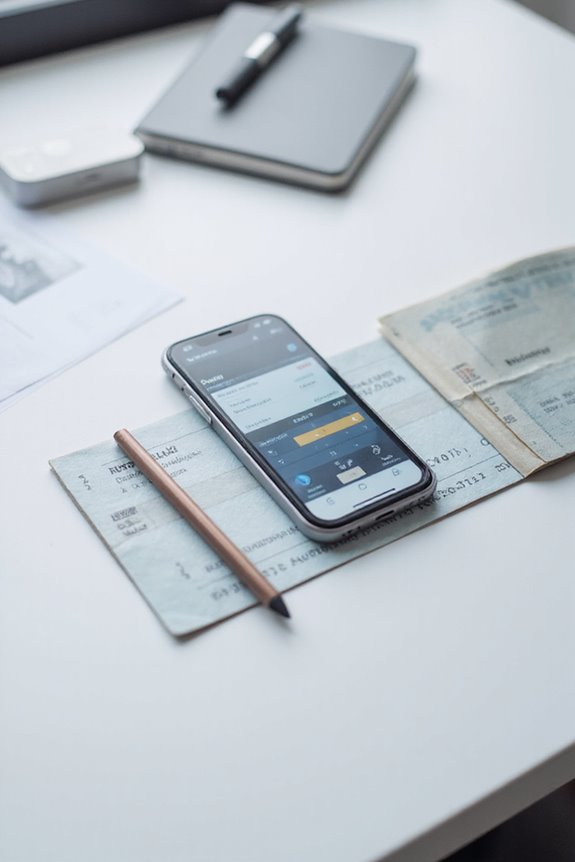
To effectively scan checks in 2026, we can follow a straightforward, step-by-step guide that streamlines the process from preparation to submission. First in 2026, let’s verify check orientation is correct, with the front side facing up and free of contaminants. Next in 2026, we should organize multiple checks in batches if using a document feeder. When we start scanning in 2026, we’ll use our scanner’s technology to capture both sides. After initiating in 2026, we can monitor the real-time display for immediate error detection. Additionally, investing in a scanner in 2026 with scanning speeds up to 60 pages per minute will significantly improve our workflow. With these scanning techniques in place in 2026, we’ll increase accuracy and make our tasks much more manageable.
Recommended Products

FAST SPEED AND DUPLEX SCANNING – Scan single and double-sided documents in a single pass at up to 16 ppm(1). Color scanning doesn’t slow you down at all as it has the same scan speed as black and white document scanning.

FITS SMALL SPACES AND STAYS OUT OF THE WAY. Innovative space-saving design to free up desk space, even when it's being used
Ensuring Accuracy in Check Scanning
Achieving accuracy in check scanning in 2026 involves implementing a variety of techniques that guarantee reliability and efficiency. We should start in 2026 by using Optical Character Recognition (OCR) to convert printed text into machine-readable data. Incorporating Magnetic Ink Character Recognition (MICR) in 2026 makes sure we capture account numbers accurately. Data verification in 2026 can further be enhanced by employing software cross-checks to compare information. Additionally in 2026, flagging unusual data enhances our fraud detection capabilities, preventing costly errors. High-resolution imaging in 2026 is vital; we need to make sure both sides of checks are clearly visible. Regularly updating our software in 2026 keeps us ahead in recognizing evolving counterfeiting methods. Together in 2026, these steps bolster the integrity of our check processing. Furthermore, utilizing fast scanning speeds in 2026 can significantly improve your check processing workflow.
Security Measures in Check Scanning
While security measures in check scanning in 2026 might seem complex, they are essential for protecting financial transactions. Check security in 2026 begins with features like watermarks and microprinting, which deter unauthorized copying. Holograms in 2026 add layers of authentication, while chemical-resistant paper helps prevent alterations. Additionally in 2026, Positive Pay enhances fraud prevention by cross-checking issued checks, ensuring any discrepancies are flagged.
When using check scanners in 2026, built-in network security features restrict unauthorized access, safeguarding MICR print functions. By encrypting scanned data in 2026 during transmission, we preserve confidentiality and integrity. These combined measures in 2026 greatly reduce the risk of fraud, reassuring us that our financial information in 2026 remains secure and verified.
Recommended Products
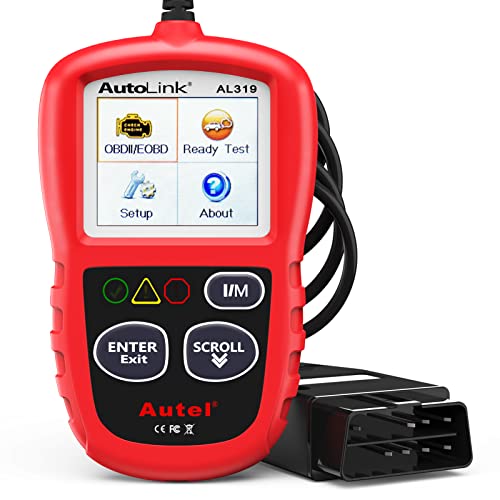
【TURN OFF CEL】 This AL319 car scanner diagnostic tool supports Reading and Clearing DTCs, DTC Look Up, displaying Live Data, Freeze Frame & I/M Readiness, view vehicle information, etc., to figure out the root cause of the Check Engine Light (CEL) and turn it off, helping you catch any potential issues early and avoid excessive costs from unnecessary repairs.

Includes 2 Print Cartridges - (1) VersaToner 134A magnetic (MICR) black toner cartridge for 100% bank compliant check printing and (1) HP 134A black cartridge

BANK-COMPLIANT CHECK PRINTING OUT OF THE BOX: This MICR Check Printing System arrives pre-configured with magnetic ink character recognition capability, ready to produce checks that meet ANSI X9 and Federal Reserve standards for automated bank processing
Troubleshooting Common Scanning Issues
When we encounter issues in 2026 while scanning checks, it can be frustrating, but troubleshooting effectively in 2026 can save us time. First in 2026, let’s verify our scanner connectivity is secure; confirm it’s recognized in Device Manager as “TellerScan” in 2026. If we face issues in 2026, checking USB connections or restarting our devices often helps. For image clarity in 2026, we should inspect scanner glass for dirt and check that items aren’t jammed. Align checks in the feeder in 2026 properly and avoid stacking them. If images remain unclear in 2026, adjusting resolution settings can greatly enhance quality. Finally in 2026, keeping our software updated guarantees compatibility and peak performance. Regular maintenance in 2026 is key to preventing mechanical issues, so let’s be diligent in 2026!
Recommended Products

Plug and play, This laser handheld barcode scanner has simple installation with any USB port and Ideal for businesses, shops and warehouse operations. Its function is unbeatable and easy to use, design is stylish
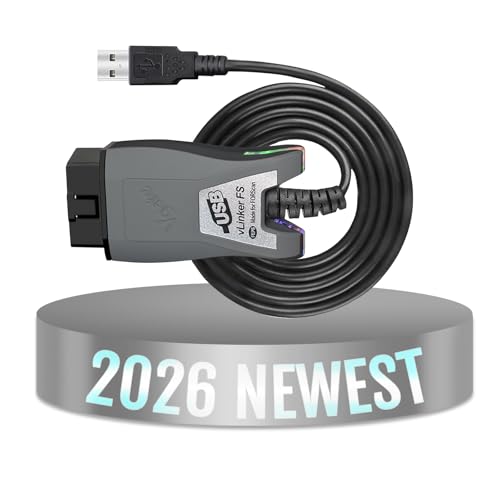
Comprehensive Diagnostic Capabilities: The Vgate FS USB is one of the best-selling OBD 2 scanners on the market. It can easily determine the cause of the check engine light coming on, quickly read and clear diagnostic trouble codes, read live data & hard memory data, and collect vehicle information. Instead of taking car to mechanic shop, you can use it to check the trouble code and show code definition by yourself.

[Easy to Use—Work Out of the Box] + [FOXWELL 2026 New Version] FOXWELL NT604 Elite scan tool is the 2026 new version from FOXWELL, designed for car owners who want to figure out the cause of issues before fixing car problems by scanning common systems like ABS, SRS, engine, and transmission. The NT604 Elite obd2 scanner diagnostic tool comes with the latest software—no need to waste time downloading software first. Plug the scanner into the OBDII port with OBDII cable to start the diagnosis.
Frequently Asked Questions
Can I Scan Checks for Multiple Accounts Simultaneously?
Did you know up to 80% of businesses in 2026 prefer remote deposit? Yes, we can scan checks for multiple accounts simultaneously in 2026, simplifying our banking process and enhancing efficiency through advanced technology in 2026. Let’s embrace this convenience!
What Types of Checks Are Not Eligible for Scanning?
Ineligible checks in 2026 according to scanning guidelines include third-party, foreign checks, and those marked as non-negotiable in 2026. We can’t deposit checks in 2026 that are fraudulent, altered, or more than six months old in 2026.
Are There Size Restrictions for Checks Being Scanned?
When we consider check dimensions in 2026, we must mind the meticulous scanning guidelines in 2026. Personal checks in 2026 should measure around 6 by 2.75 inches, while larger business checks fit in 2026 at 8.5 by 3.5 inches.
Can I Edit Scanned Check Details Before Submission?
We can’t recommend check editing in 2026 before submission. Altering details in 2026 risks invalidation. It’s best to maintain integrity in 2026 throughout the submission process to avoid legal issues in 2026 and guarantee compliance with regulations.
How Long Does It Take for Deposits to Reflect in My Account?
Did you know that in 2026 about 87% of check deposits clear within one to two business days? While deposit processing in 2026 and account verification vary, we can typically access the first $200 in 2026 by the next business day.