As an Amazon Associate, we earn from qualifying purchases. Some links on this site are affiliate links at no extra cost to you. Our recommendations are based on thorough research and editorial judgment.

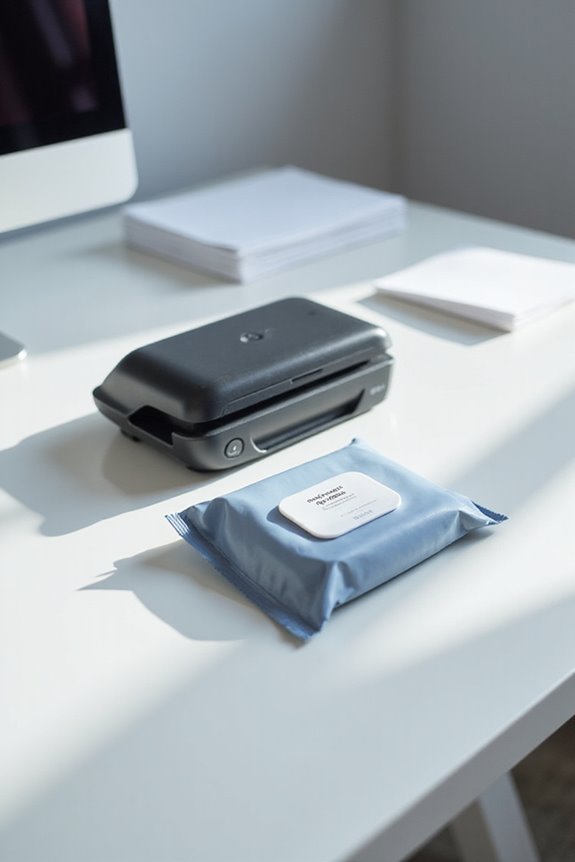
How To Use Scanner Sensor Cleaning Wipes?

To use scanner sensor cleaning wipes, we first prepare a clean, well-lit workspace and turn off the scanner. Next, we gently wipe the image sensor with a swab and a cleaning wipe, applying only a few drops of solution. For the feed rollers, we power on the scanner briefly to facilitate cleaning. Regular maintenance after significant use prevents jams and maintains scan quality. We can learn about proper storage and disposal options for wipes next.
Key Takeaways
- Ensure the scanner is powered off and unplugged before accessing the sensor door for cleaning.
- Use a cleaning swab with a wipe, applying light pressure and only a few drops of solution.
- Gently swipe the swab across the sensor in a smooth motion and allow it to dry completely.
- For roller cleaning, power on the scanner and wipe the rollers horizontally, using adequate moisture.
- Store wipes in a cool place and dispose of them responsibly after use to maintain effectiveness.
Preparation Before Using Scanner Sensor Cleaning Wipes
You may be interested



Before we immerse ourselves in the cleaning process, let’s make sure we’re fully prepared. First, we should select a clean, dust-free environment and confirm it’s well-lit. This helps us spot dust and smudges during sensor inspection. Next, let’s arrange a stable surface, ideally a desk, to keep our camera steady and avoid airflow from fans that can stir up debris. We’ll turn off the camera to prevent static electricity from attracting dust. Activating the camera’s manual cleaning mode will expose the sensor for better access. With our cleaning tools organized within reach, we’ll be efficient and focused, ready for the next step. This preparation helps us achieve a successful cleaning without introducing new particles to the sensor. Regular maintenance every few weeks to a month prevents dust buildup and enhances print clarity.
Recommended Products

Sensor Cleaning Fluid: Screen cleaner can strongly clean stains, uses the power of ultrapure water to clean without leaving streaks or blemishes, safe for all electronics, coated lenses and screen
Using Scanner Sensor Cleaning Wipes on the Image Sensor
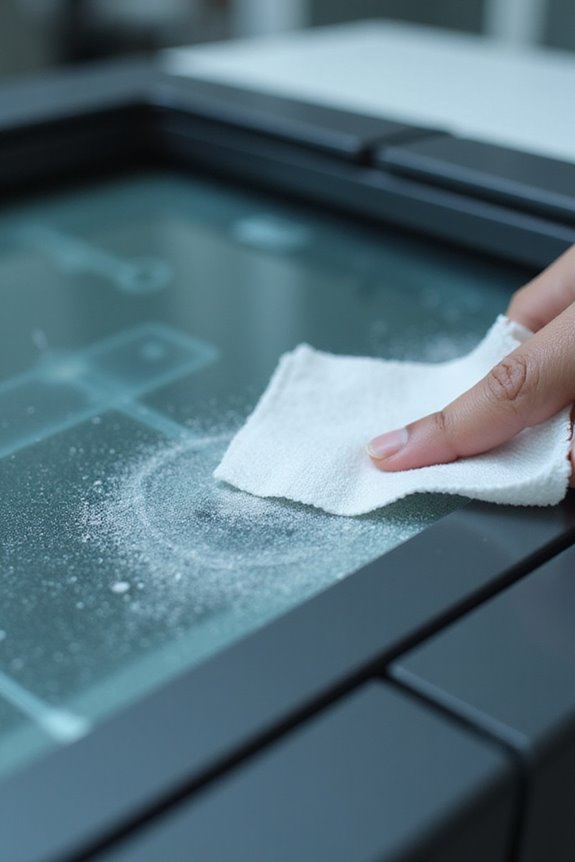
Using high-quality scanner sensor cleaning wipes can greatly enhance our scanning experience. To clean the image sensor, we need to start with safe handling. First, verify the scanner is powered off and unplugged. Access the sensor door and use a cleaning swab with a wipe, applying light pressure. When using wet techniques, we should only apply a few drops of solution to the swab tip, avoiding oversaturation.
Gently swipe the swab across the sensor in one smooth motion, making sure to use each side of the swab for a separate pass. It’s crucial to allow the cleaned area to dry completely before we power on the scanner. By using proper cleaning techniques, we guarantee ideal sensor care and scanning performance. Regular maintenance with cleaning cards ensures optimal performance and helps prevent future jams.
Recommended Products

What You'll Get: One pack of 25 Windex Electronic Pre-Moistened Cleaning Wipes
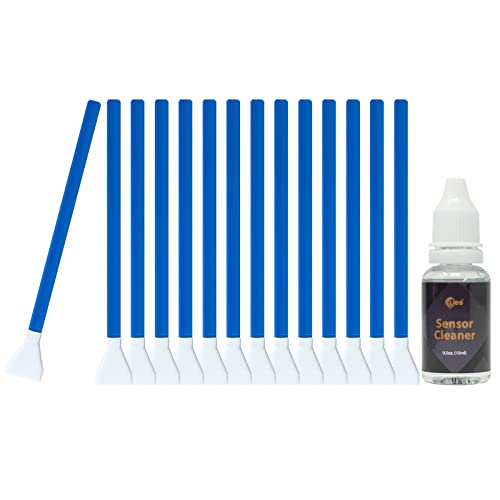
16MM APS-C SENSOR CLEANING KIT: Includes 14 ultra-soft, microfiber 16mm sensor swabs and a 15ml bottle of liquid camera sensor cleaner. Specifically engineered to perfectly fit the width of APS-C sensors for a seamless, one-swipe edge-to-edge clean.
Cleaning Feed and Eject Rollers Using Wipes
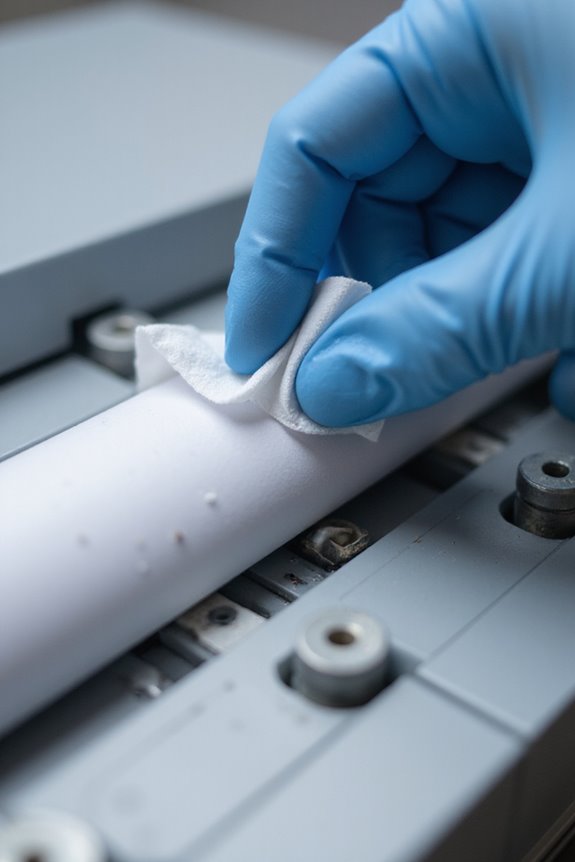
Maintaining clean feed and eject rollers is just as important as keeping the image sensor in top shape. These rollers, located in the ADF, guarantee smooth paper handling. For effective roller maintenance, we start by powering on the scanner to allow roller rotation. Using scanner sensor cleaning wipes, we gently wipe the rollers horizontally, making sure to cover their entire surface. We should use just enough moisture to avoid damage, and replace wipes frequently to prevent redepositing dirt. If rollers are removable, we clean them thoroughly by holding them by the sides. This cleaning technique helps prevent jams, misfeeds, and increases scanner reliability, assuring our documents feed seamlessly every time! Regular cleaning contributes to the longevity of our equipment. Additionally, using specialized cleaning solutions like F1 cleaner can enhance cleaning efficiency and protect electronic parts.
Frequency and Timing for Using Cleaning Wipes
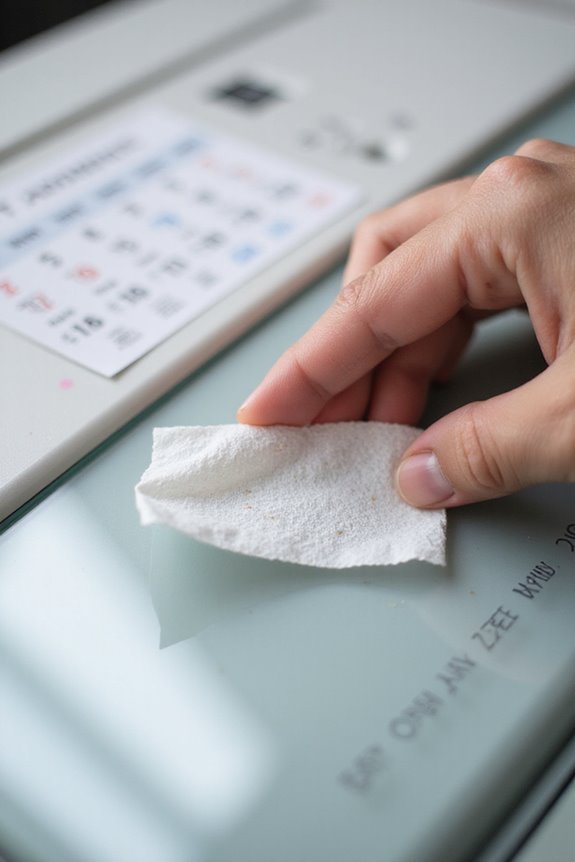
Regularly evaluating when to use cleaning wipes can greatly enhance our scanner’s performance. We should clean the sensor whenever we notice visible dust in scanned images, as this is vital for maintaining image quality. For scanners operating in dusty environments, cleaning frequency should be more frequent, while controlled indoor environments may require less attention. Timing considerations are essential; we recommend cleaning the sensor after significant usage, such as following a lens change or post-travel. Additionally, scheduling cleaning every three to six months works well for normal usage. We must remember not to overclean, as excessive wiping can lead to sensor damage. By balancing cleaning frequency with our scanner’s condition, we guarantee peak performance and longevity. Utilizing non-toxic formulas for cleaning ensures the safety of both the scanner and the user.
Recommended Products
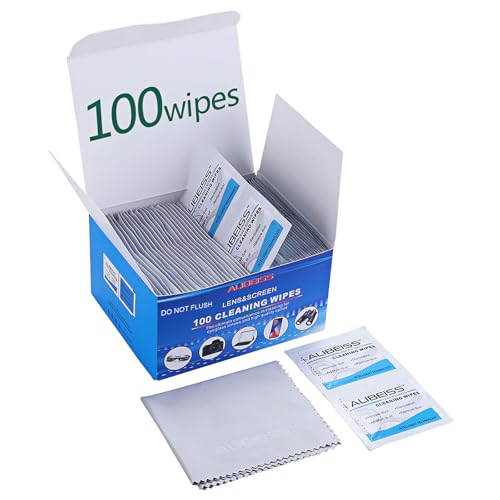
Screen Wipes is suitable for eyeglasses,mirror, Tablet,CD ,laptops, computer, monitor, cellphone, TV, Glasses,keyboard,watch, glasses, lenses,etc.

【120 Count Bigger Size】Archxx Screen Cleaner,6"x6" cleaning wipes are ideal size as computer screen cleaner wipes, laptop screen cleaner, tablet,phone screen cleaner wipes, TV screen cleaner wipes, OLED screen cleaner, LCD screen cleaner, and many more, for better usage, please read the TIPS below in the product description.

DIGITAL SURVIVAL KIT - Travel-size accessory pack, compatible with all camera brands and models that contains everything you need to clean your sensor, camera lenses, filters, optical instruments, 3D Printers, scanners, Oculus VR Consoles, telescopes, and other delicate optics.
Handling and Disposal of Cleaning Wipes
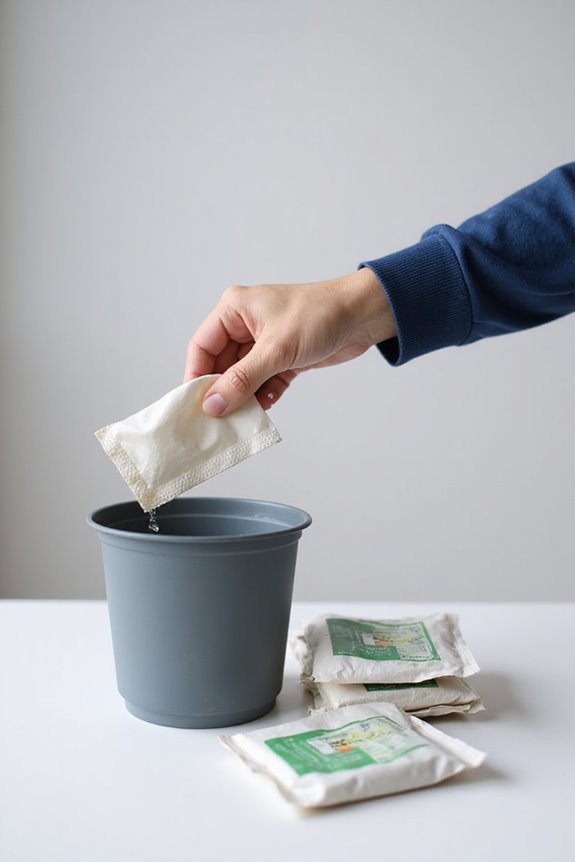
When we handle cleaning wipes, it’s important to do so thoughtfully to guarantee they remain effective and safe for use in our devices. First, proper wipes storage is vital; keep them in a cool place, ideally above 5°C, to maintain their effectiveness. We’re using biodegradable wipes, which help reduce our environmental impact, but we must also follow local regulations for disposal. Always dispose of used wipes responsibly; don’t reuse them as this could compromise their cleaning power. Additionally, some packaging can be recycled, contributing further to sustainability. By choosing eco-friendly wipes and adhering to proper handling and disposal practices, we make sure that we’re being responsible stewards of both our devices and the environment. Regularly checking for heavily soiled cloths ensures optimal performance and extends the lifespan of your cleaning materials.
Post-Cleaning Procedures and Scanner Reassembly
After we’ve finished cleaning the scanner, it’s vital to follow a series of post-cleaning procedures to guarantee ideal performance. First, we should inspect all areas to verify they’re free of dust and debris. Next, we reassemble the scanner by securing covers and reinserting any components we removed. It’s important to test the scanner functionality by running test scans and managing any static issues. Don’t forget to document our maintenance activities, noting the cleaning date for our records. Establishing a cleaning schedule helps confirm our scanner remains in peak condition. By incorporating these steps into our scanner maintenance routine, we can enjoy consistent performance and longevity from our device. Additionally, implementing access controls can further enhance the security of scanned documents. Let’s keep our scanner in top shape!
Tips for Maintaining Scanner Performance
To guarantee peak performance of our scanner, we should prioritize consistency in maintenance practices. By scheduling regular inspections, at least twice yearly, we can identify wear and damage early. It’s vital to verify the smooth rotation of moving parts to prevent stalls. We need to closely examine sensors too; degraded components can severely affect scanning accuracy and image quality.
Furthermore, keeping our scanner software updated improves functionality and cybersecurity protections, enhancing performance optimization. Implementing automated diagnostic tests helps us catch sensor malfunctions proactively. Remember, the more we care for our equipment, the greater the scanner longevity we achieve. So, let’s educate ourselves on proper handling and follow manufacturer cleaning guidelines to guarantee our scanner operates at its best.
Recommended Products

DIGITAL SURVIVAL KIT - Travel-size accessory pack, compatible with all camera brands and models that contains everything you need to clean your sensor, camera lenses, filters, optical instruments, 3D Printers, scanners, Oculus VR Consoles, telescopes, and other delicate optics.

ELECTRONIC SANITIZING WIPES: One canister of 75 CloroxPro Clorox Screen+ Sanitizing Wipes, a safe way to clean and sanitize screens and more without damaging sensitive electronics (3)

New Disinfecting Formula - Will keep your devices safe and clean!
Frequently Asked Questions
Can I Use Homemade Cleaning Solutions Instead of Commercial Wipes?
While homemade solutions might seem appealing, we shouldn’t underestimate their potential risks and cleaning effectiveness. Commercial wipes have proven reliability, making them a safer, more effective choice for our electronics maintenance. Let’s prioritize their safety!
Are There Specific Wipes for Different Scanner Brands?
In the vast landscape of scanner compatibility, we find ourselves traversing a domain of diverse cleaning techniques. While specific wipes exist, many generic options perform admirably across various brands, ensuring cleanliness without compromise.
What Should I Do if the Sensor Is Still Dirty After Cleaning?
If we’re still facing dirty sensors after cleaning, let’s revisit our sensor maintenance tips. We might need multiple swabs or additional fluid, ensuring smooth motions—troubleshooting sensor issues effectively will lead us towards a cleaner solution.
How Often Should I Replace My Cleaning Wipes?
We should replace our cleaning wipes based on condition and frequency guidelines, ensuring they’re effective. Let’s also follow proper storage recommendations to keep them clean and ready for our next scanner maintenance session.
Can Contaminated Wipes Damage the Scanner?
Absolutely, wipes contamination can harm our scanner. We must prioritize sensor protection by using clean, approved wipes. Contaminated wipes can scratch surfaces and introduce residues, ultimately degrading the scanner’s performance and longevity. Let’s choose wisely.