As an Amazon Associate, we earn from qualifying purchases. Some links on this site are affiliate links at no extra cost to you. Our recommendations are based on thorough research and editorial judgment.


How To Use Scanner Features Comparison Chart?

Using a scanner features comparison chart helps us quickly assess essential specifications. We can compare metrics like accuracy, scanning speed, and connectivity options, aligning them with our specific needs. For instance, we want high dpi values for superior image quality and good battery life for long shifts. By analyzing these features side-by-side, we can make informed decisions. As we explore further, we’ll uncover even more tips to enhance our selection process.
Key Takeaways
- Start by identifying your specific needs and requirements to effectively use the comparison chart for selecting a scanner.
- Look for key specifications like accuracy, scanning speed, and connectivity options to ensure the scanner meets your industry standards.
- Utilize the chart to visualize similarities and differences between models, making it easier to analyze features side-by-side.
- Pay attention to mechanical metrics and usability features for enhanced performance, comfort, and efficiency during usage.
- Avoid misinterpretations by focusing on essential details and context, ensuring you align your choice with your unique needs.
Understanding the Purpose of Comparison Charts
You may be interested



When we think about comparison charts, it’s clear that they serve an essential purpose in making informed choices. These charts provide visual clarity by laying out the similarities and differences among options, making it simpler to understand unique features and benefits. They condense complex information, allowing us to digest crucial details quickly without getting lost in lengthy descriptions. By presenting data side by side, comparison charts facilitate decision-making, encouraging a factual assessment rather than relying solely on intuition. This method allows us to weigh pros and cons thoughtfully, leading to better choices. In fast-paced environments, they save time, ensuring we efficiently evaluate products while increasing overall satisfaction in our decisions. Additionally, incorporating batch scanning features into comparison charts can further enhance our ability to choose the right scanner for our needs.
Key Features and Metrics to Compare
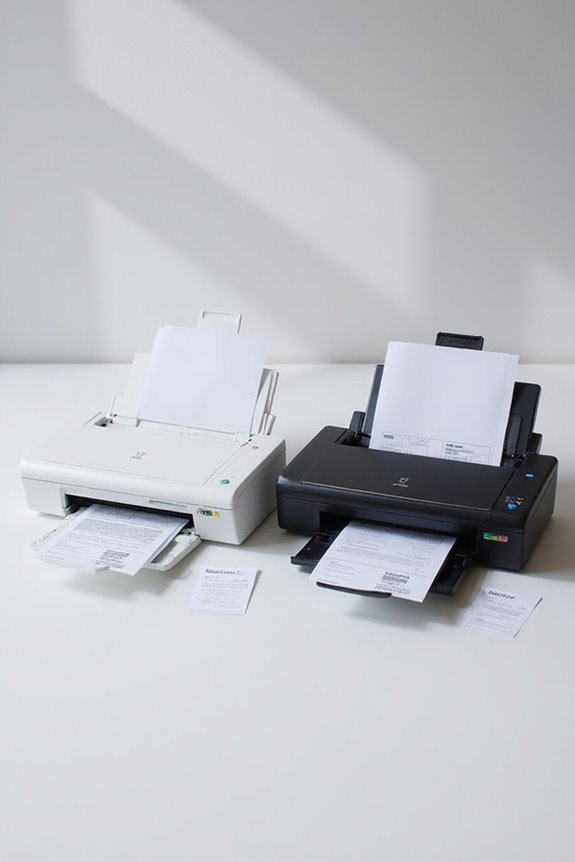
Understanding the key features and metrics to compare scanners is essential for making informed purchasing decisions. When examining scanner specifications, we should prioritize accuracy, which is measured by single-scan and volumetric accuracy. Precision and resolution also matter; while high resolution improves detail, it doesn’t always enhance accuracy. Next, we must consider mechanical metrics, especially in MEMS scanners, where phase detection is vital. With barcode scanners, focus on accuracy, speed, and robustness under various conditions. Finally, we can’t overlook usability; elements like interface design, power consumption, and integration capabilities greatly impact scanner efficiency. By guiding our feature prioritization through these specifications, we can choose the best scanner for our needs effectively. Additionally, scanning speed is crucial for maximizing productivity, especially in high-demand environments where efficiency is paramount.
Industry-Specific Considerations to Keep in Mind
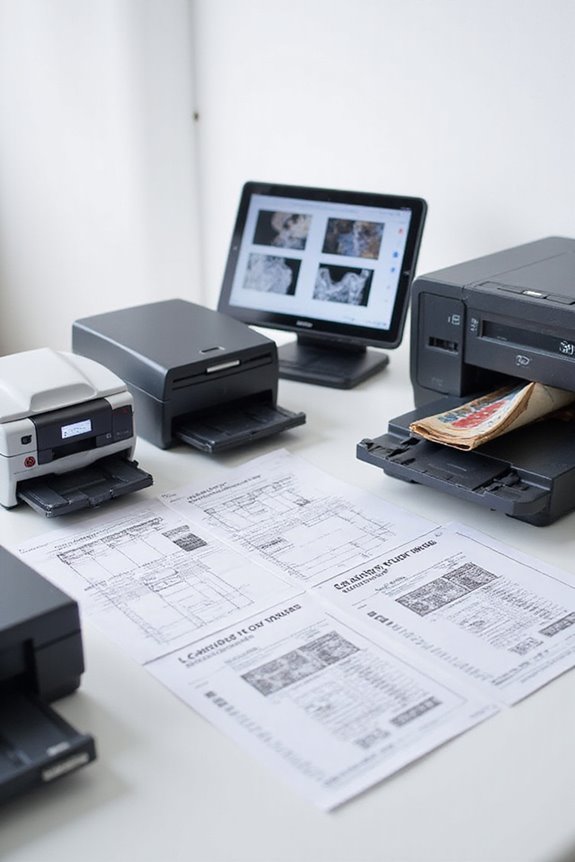
While we plunge into industry-specific considerations for scanner selection, it’s essential to recognize that each sector has unique requirements. In harsh environments like manufacturing, we need scanners with industry durability ratings of IP54 or better. Scanning technology should cater to specific symbology requirements, such as 2D barcodes in healthcare or linear barcodes in retail. Connectivity options like Bluetooth or Wi-Fi are crucial for seamless integration with systems. Ergonomics considerations are critical for comfort during prolonged usage, especially in logistics and healthcare. Battery performance plays a significant role, particularly in industries that demand long shifts. Ultimately, evaluating these factors will enhance operational efficiency, ensuring we choose scanners that fit our specific needs. Moreover, wireless functionality enables scanning without being tethered, which is ideal for mobile professionals.
Reading and Interpreting the Data

Selecting the right scanner involves not just knowing industry-specific needs but also understanding how to read and interpret its data. To gauge scanner performance, we should analyze key specifications like resolution and bit depth. For instance, a 1200 dpi scanner captures more detail than a 600 dpi model, providing superior image quality. Bit depth values, such as 24-bit or 48-bit, indicate color richness. We should also consider scan speed, typically measured in pages per minute, to assess efficiency. Evaluating features like automatic document feeders or wireless connectivity can streamline our workflows. By matching these attributes to our needs, we can make informed decisions that enhance our scanning experience and productivity. Let’s not overlook the practical aspects highlighted in our evaluations, particularly faster duplex scanning which minimizes time spent on document management tasks.
Advantages of Utilizing Comparison Charts
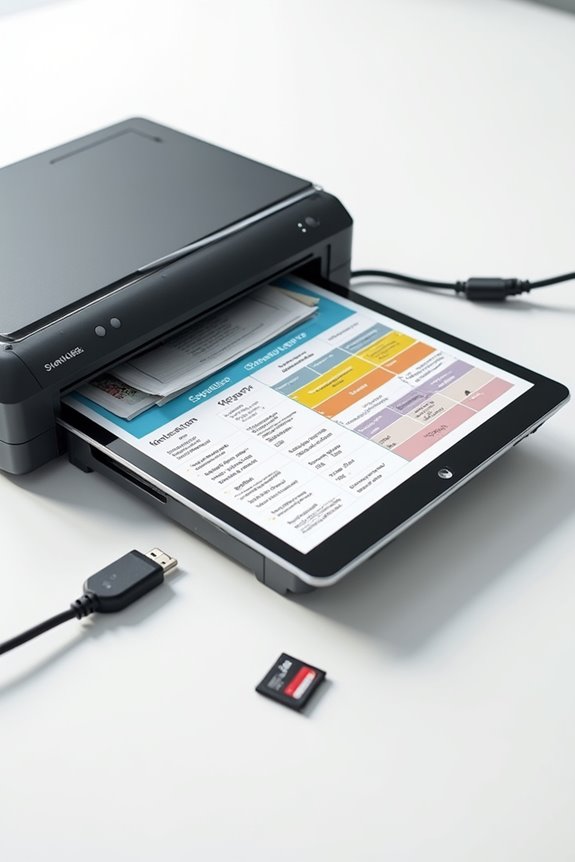
When we’re evaluating different scanner options, utilizing comparison charts can make the process much more efficient. These charts provide visual clarity, displaying features and distinctions side-by-side. It helps us quickly identify essential attributes like resolution, speed, and connectivity. By simplifying complex technical specs, we can easily determine which scanner is best suited for our needs.
Moreover, comparison charts facilitate informed decision-making. They present all relevant features and performance metrics in one view, enabling us to weigh benefits and trade-offs effectively. This approach reduces buyer’s remorse and guarantees our choices align with our specific requirements. Essentially, utilizing comparison charts streamlines our scanning solution search and boosts our confidence in selecting the right model for our tasks. Additionally, they can help highlight the average lifespan of a scanner, allowing us to consider long-term value in our choices.
Limitations to Be Aware Of
Although scanners offer impressive features, there are important limitations we need to contemplate. First off, scanner variability can notably impact accuracy, with differences between models even under the same conditions. For instance, some scanners may produce variations up to 32 microns, especially in anterior areas, which could affect our results’ consistency. Additionally, comparison charts might overlook essential details like consumable replacement and downtime implications, which can hinder usability. We should be wary of potential misinterpretations of feature importance, as some specs may not translate to real-world performance. Ultimately, challenges in data consistency and format standardization can complicate our evaluations, leading us to overlook critical factors in our decision-making process. Understanding these limitations helps us make more informed choices. Furthermore, scanning speed is a crucial factor that can significantly influence the effectiveness of the scanner in real-world applications.
Best Practices for Effective Use
Understanding the limitations of scanner features helps us focus on best practices for effective use. We should organize features into logical categories like screen, performance, and connectivity—this makes it easier to locate related attributes quickly. Incorporating color-coding and visual indicators allows us to highlight differences, guaranteeing clarity without overwhelming users. When creating our comparison chart design, we prioritize user-friendly layouts and interactivity; this lets readers filter or highlight specific attributes for a tailored experience. Clear summaries and key differentiators at the top enhance user engagement strategies, simplifying decision-making. Finally, maintaining consistency and accessibility guarantees we accommodate all users, making our charts not just informative, but also approachable for everyone.
Frequently Asked Questions
How Do I Choose the Right Scanner for My Needs?
When we’re choosing the right scanner for our needs, we should consider scanner types and scanning speeds. Evaluating document volume and specific tasks guarantees we select a model that best fits our requirements effectively.
Can I Modify the Comparison Chart for Personal Use?
Imagine a canvas where our personal preferences shape vivid landscapes; yes, we can modify the comparison chart. Just remember to follow modification guidelines to respect copyrights while creating a tool that truly meets our needs.
What Sources Should I Trust for Scanner Specifications?
When seeking scanner specifications, we should trust reputable sources like manufacturer websites. They provide accurate, up-to-date information straight from the source, ensuring we make informed decisions based on authentic technical details and feature lists.
How Often Should I Update My Comparison Chart?
Did you know that regularly updated charts can boost user trust by over 40%? To guarantee chart accuracy, we should prioritize an update frequency of at least annually, adjusting for rapid tech advancements and user feedback.
Is There a Standard Layout for Comparison Charts?
When creating comparison charts, we’ve found that standard formats enhance visual clarity. Consistent layout, clear rows, and concise attributes help users quickly grasp differences, making our charts more effective and user-friendly.