As an Amazon Associate, we earn from qualifying purchases. Some links on this site are affiliate links at no extra cost to you. Our recommendations are based on thorough research and editorial judgment.

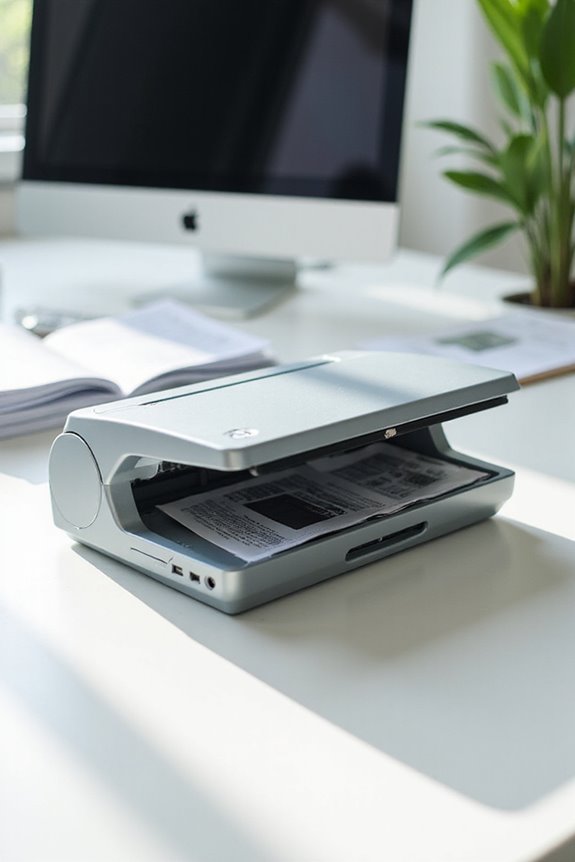
How To Use Scanner Recyclable Components Design?

To effectively use scanner technology in recyclable component design, we should focus on selecting materials that are easily identifiable and avoiding composites that complicate recycling. Integrating visible QR codes enhances sorting and provides quick access to disposal instructions. By ensuring compatibility with various scanners, we increase detection accuracy, leading to better recycling outcomes and consumer engagement. This approach simplifies disassembly and promotes efficient recycling practices. Let’s explore more strategies for maximizing scanner capabilities in design for recycling.
Key Takeaways
- Choose easily identifiable recyclable materials to facilitate accurate sorting during the recycling process.
- Use standardized identification marks, such as QR codes, to provide clear recycling instructions on your products.
- Design products with modular layouts, allowing for easy disassembly and scanner access to components.
- Implement cloud-based systems for real-time data sharing between scanners and design software to enhance recycling efficiency.
- Educate consumers about recycling practices through accessible tools and feedback mechanisms to improve participation rates.
Understanding Scanner Technology for Recycling
You may be interested



As we explore scanner technology in recycling, we see its essential role in enhancing recycling efforts. Scanner functionality, like QR codes and barcodes, helps us identify materials quickly, improving recycling accuracy. When we scan a product, it instantly communicates its composition to cloud-based systems, providing real-time disposal instructions. This feedback educates consumers, encouraging higher participation in recycling practices. Additionally, by utilizing handheld or industrial-grade scanners, we can efficiently sort materials and reduce contamination in recycling streams. This technology not only tracks recycling behaviors but also aids in managing electronic waste by accurately distinguishing hazardous components. Overall, integrating scanner technology considerably boosts our recycling effectiveness and contributes to sustainable waste management strategies. Furthermore, adopting digital document management practices can enhance the organization of recycling data and streamline workflows.
Key Guidelines for Designing Scanner-Compatible Products
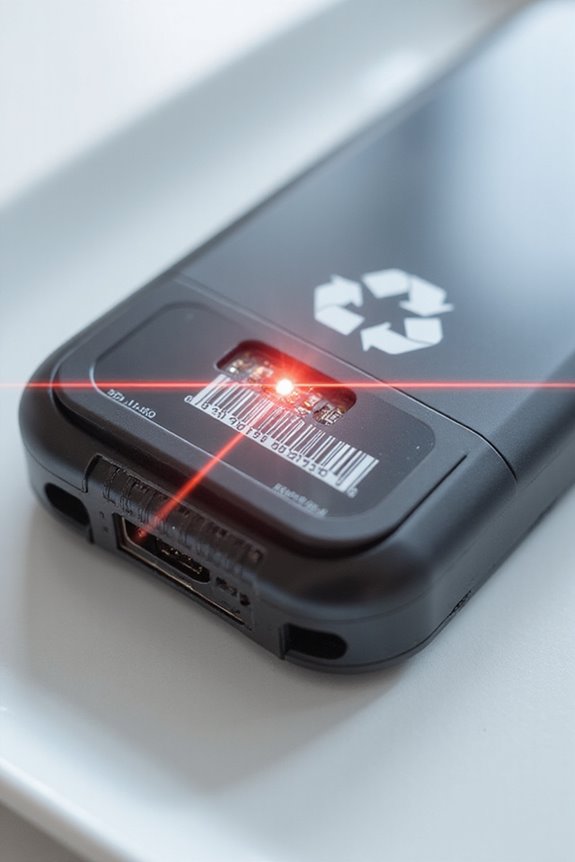
When we consider the advancements in scanner technology for recycling, it becomes clear that designing products to be scanner-compatible can markedly enhance both recycling efficiency and consumer engagement. First, we should select recyclable scanner materials that are easily identifiable for improved sorting. It’s essential to avoid mixed materials that complicate processes. Additionally, we need to integrate standardized identification marks, like QR codes, in visible areas for easy scanning. Our design considerations should emphasize modular layouts that allow scanners direct access to components, minimizing fasteners for disassembly. Ultimately, ensuring compatibility with various scanner types can boost detection accuracy. Moreover, image quality and resolution are critical factors that can influence the effectiveness of the scanning process in recycling initiatives. By following these guidelines, we enhance recyclability while making it easier for both consumers and recyclers.
Recommended Products

Pre-Printed mulit-colored QR Codes with a Free APP: Organize anything with 45 unique multi-colored, pre-printed QR labels, paired with our free mobile app to organize your storage or move. You can assign a title to each pre-printed label on the included free app, making organization a breeze. Just peel, stick, and scan to itemize boxes, add photos, and find your things instantly with a quick keyword search. Check our HD line of labels for high humidty/heat environments and tear/water resistance.

AI AUTO-LABELING: Photograph the contents of a box, bin or container and SnapFind automatically names, categorizes, tags and estimates the value of items, reducing repetitive typing

SMART ORGANIZATION WITH COLOR-CODED QR CODES: Organize storage with an easy-to-use QR code system featuring color-coded stickers, app-based tracking, and over 1 million QR codes scanned to date. Quickly catalog, locate, and retrieve stored items with QR code labels designed to make storage management simple and hassle-free.
Advantages of Implementing Scanner Technology in Design
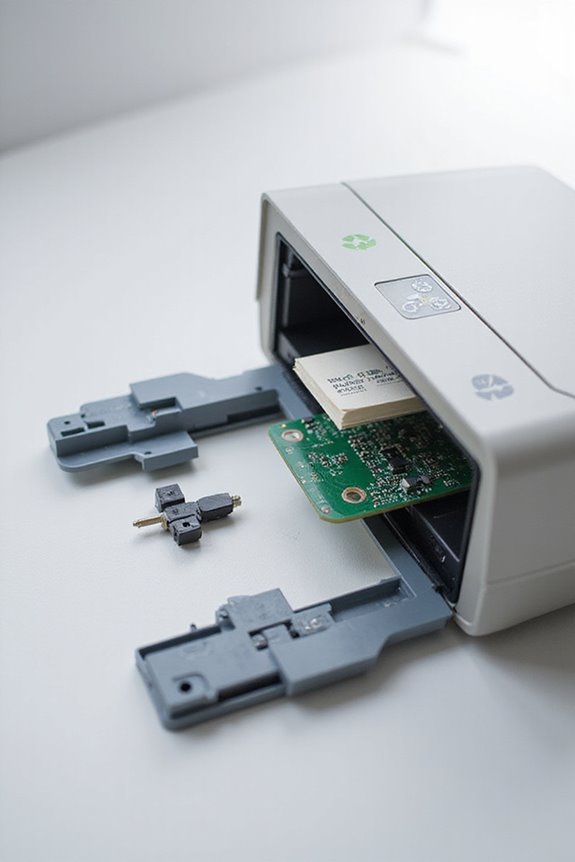
Implementing scanner technology in design offers numerous advantages that can greatly enhance both recycling processes and consumer experiences. For instance, scan-to-recycle systems utilize QR codes or barcodes, linking products to accurate recycling data. This instant feedback helps correct consumer behavior, minimizing recycling errors and increasing participation. Clear instructions streamline decisions, promoting recycling education among users. Additionally, enhanced tracking capabilities allow brands to monitor recycling rates effectively. By directing consumers to recycle correctly from the start, we can reduce waste and costs associated with contamination. Data analytics provide actionable insights, helping brands refine designs for recyclability. Ultimately, this technology supports our sustainability goals, fostering consumer trust and differentiating brands in an eco-conscious market. Furthermore, integrating cloud storage with scanning technology can further enhance the efficiency of recycling processes by improving document management related to recycling initiatives.
Recommended Products

Pre-Printed, ready to use peel & stick paper labels. Paper labels that are designed for cardboard boxes, and smooth surface storage totes/bins. If you need heavy duty tear resistant/water resistant, check our HD line of labels.

EASILY CREATE A DATABASE OF YOUR BELONGINGS USING AI: Simply add a QR sticker to your item or container, take pictures, and optionally let AI do the work of adding names, descriptions and other fields for your items. Using this approach, you can very rapidly create an inventory of your belongings that you or others can reference later on the app or on a website. FREE EXPORT TO CSV. NO SUBSCRIPTION WILL EVER BE REQUIRED FOR FREE VERSION.

QR CODE STORAGE TAGS: Our color-coded QR code storage tags are designed to make organizing and tracking inventory easier than ever. Each tag comes with a unique QR code that can be scanned using any smartphone with a camera.
Strategies for Integrating Scanners Into the Design Process
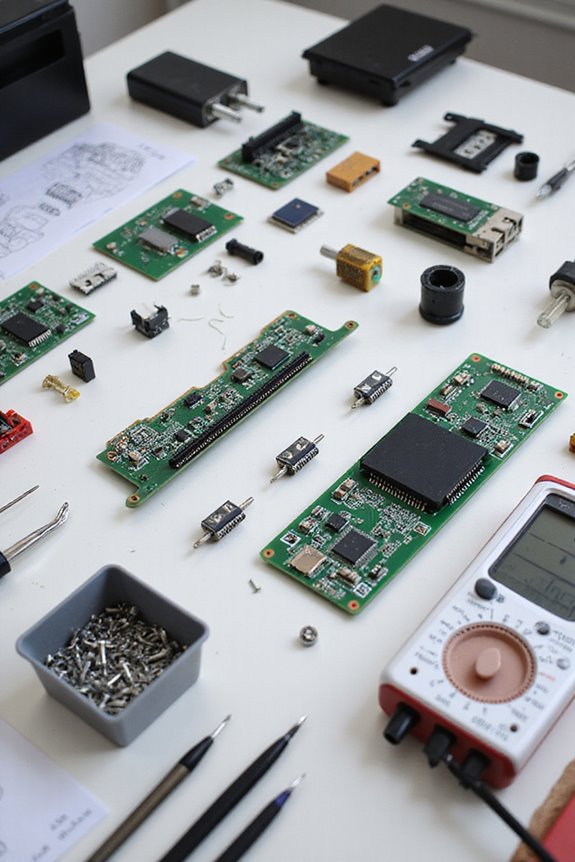
Integrating scanner technology into our design process can revolutionize how we create products, enhancing both efficiency and accuracy. We can achieve effective scanner data integration by utilizing APIs for real-time data sharing between scanners and design software. Plugin modules help expand scanner capabilities without needing major software changes. For teams working remotely, cloud-based integration guarantees easy access to scanning data, fostering collaboration. Automating our design workflow not only reduces human error but also accelerates design cycles by eliminating redundant manual steps. Additionally, combining scanner data with CAD platforms enhances the precision of custom products, leading to better fit and functionality. By leveraging OCR technology strategies, we can greatly improve our overall design process while meeting specific user needs efficiently.
Recommended Products

CCD Image Scanning Technology - NetumScan 1D barcode reader is equiped with advanced CCD sensor, which can quick capture 1D codes from paper and screen, including CODE128, UPC/EAN Add on 2 or 5, that can read even deformed barcodes, i.e. smudged, damaged, fuzzy, reflective barcodes, etc. Reading faster and more accurate than laser scanner.

The Barcode Scanner Module (D) is a round 2D barcode scanner module with LED indicator, highly integrated and compact size, suitable for elevator and other code scanning applications.

Widely Compatible: Bluetooth Barcode Scanner for iPhone iPad Android Tablet PC, Support HID / SPP / BLE mode via bluetooth, Work with Windows XP/7/8/10, Mac OS, Windows Mobile, Android OS, iOS, Linux.
Supporting Design for Recycling Principles With Scanner Feedback
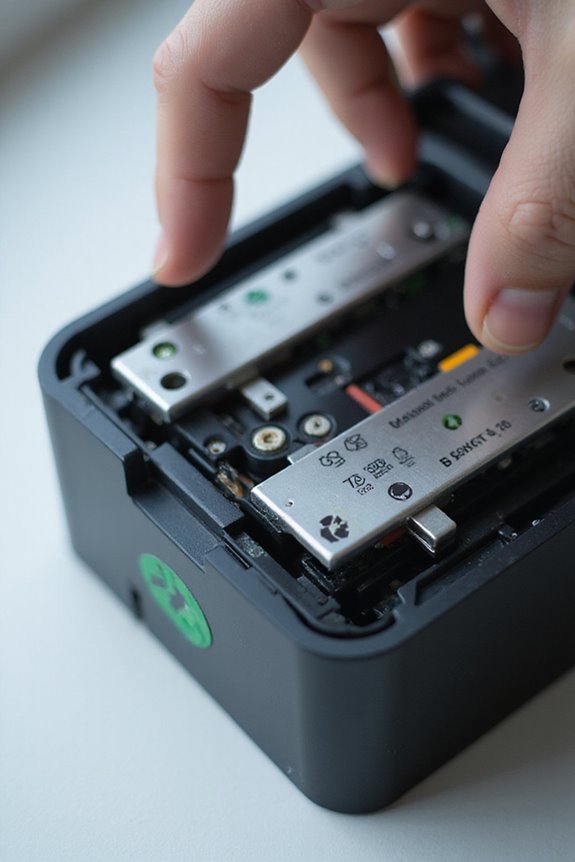
As we explore ways to enhance our design processes, supporting design for recycling principles with scanner feedback emerges as a key strategy. Integrating scanner feedback grants us real-time data on recyclability, allowing for informed design optimization. By utilizing scanner-generated recyclability scores, we can prioritize materials aligned with HIPAA compliance sorting technologies. This feedback loop not only streamlines compliance with RecyClass standards but also enables iterative improvements in packaging designs. With dynamic traffic-light systems indicating preferred or detrimental features, we can enhance transparency and communication with suppliers. In addition, continuous insights help us identify and replace non-recyclable components, making our packaging more sustainable. Emphasizing scanner feedback ultimately leads to innovative design choices and improved recycling outcomes.
Navigating Challenges in Scanner-Based Recyclable Design
While supporting recycling principles with scanner feedback offers significant advantages, we face several challenges in designing scanner-based recyclable products. The complexity of composite materials, often comprising various plastics and adhesives, complicates recycling. Innovations in adhesive technology—like water-soluble adhesives—can greatly enhance material separability, allowing for more efficient recycling processes. Furthermore, our recycling infrastructure needs robust sorting systems, integrating advanced technologies like optical scanning and AI to properly identify and process these materials. Consumer behavior also plays an essential role; enhancing understanding through educational tools will improve participation in recycling practices. By addressing these challenges together, we can pave the way for effective scanner-based recyclable designs that balance performance with sustainability. Additionally, implementing advanced technologies can optimize the recycling process and improve overall efficiency.
Frequently Asked Questions
Can Scanners Detect Materials Other Than Plastics?
Absolutely, while scanners excel in plastic detection, they’re increasingly capable of identifying other materials too. By integrating various technologies, we can enhance scanner capabilities for broader material detection, opening new recycling opportunities beyond just plastics.
How Do I Choose the Right Scanner for My Needs?
When we picture our scanning needs—perhaps vibrant photos or intricate 3D models—we must consider scanner features and trusted brands. By evaluating precision, speed, and usability, we’ll find the perfect scanner tailored just for us.
Are Scanners Affordable for Small Businesses or Startups?
Absolutely, scanners can be affordable for small businesses or startups with effective cost analysis and budget planning. By focusing on basic models or refurbished options, we can balance cost and functionality for our specific needs.
What Advancements Are Being Made in Scanner Technology?
Remember when scanners were just glorified photocopiers? Now, with advanced imaging and sensor innovations, we’re witnessing incredible advancements like photon-counting CT and AI integration, revolutionizing diagnostics and enhancing patient outcomes in healthcare.
How Can I Contribute to Open-Source Scanner Projects?
To contribute to open-source scanner projects, we can join the scanner community, engage with ongoing discussions, tackle issues, and submit changes. Together, our open source contributions can greatly enhance the tools we rely on.